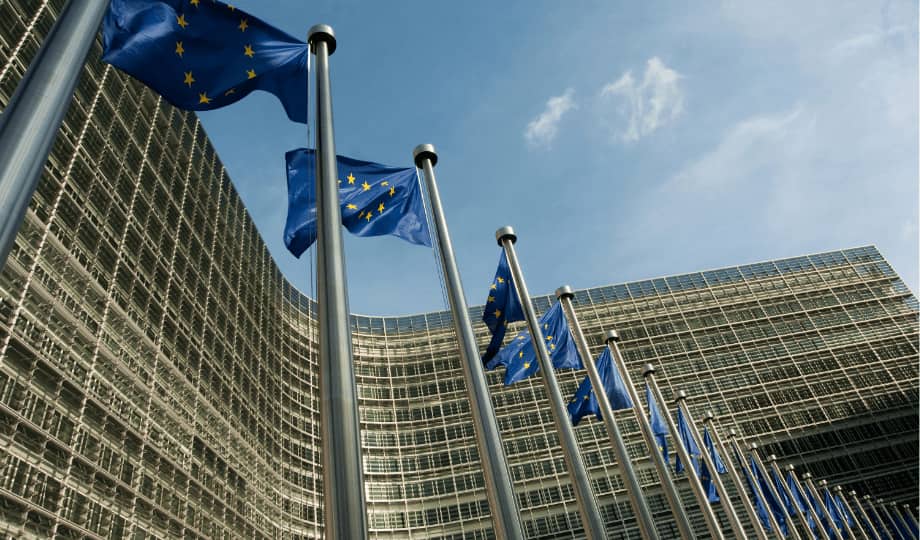
Many executives are still wondering who is affected by the GDPR whether their organization really needs to comply. Contrary to popular belief, the GDPR does not apply only to large companies or digital players. Therefore, the question "who is affected by the GDPR becomes essential when an organization collects or uses personal data.
1. What is the GDPR
Before determining who is affected by the GDPR, it is important to understand what this regulation covers.
The GDPR, or General Data Protection Regulation, is a European regulation that governs the use of personal data belonging to citizens of the European Union.
In concrete terms, it defines how organizations collect, use, store, and protect this data. Its objective is twofold: to protect individuals' privacy while encouraging companies and organizations to adopt more responsible practices.
2. Who is affected by the GDPR
2.1. What data is covered by the GDPR
To know who is affected by the GDPR, you first need to understand what data is protected.
The GDPR to all information that can be used to directly or indirectly identify a person, including:
In other words, any data that could be used to identify a person is covered by the GDPR. Even seemingly innocuous information, such as a client ID client IP address, may fall within this scope.
2.2. Organizations affected by the GDPR
All entities that handle personal data must comply with GDPR. But who GDPR is affected by the GDPR ? There are several types of organizations:
Businesses: large or small, including micro-entrepreneurs and Independents workers. As soon as they collect or use clients, employee, or partner data, they are affected.
Associations and public bodies: such as foundations, NGOs, administrations, courts, or local authorities. They must comply with the GDPR processing the personal data of their members, donors, beneficiaries, or agents. Non-profit or public statusdoes not exemptfrom compliance. Public authorities, including government agencies, law enforcement agencies, and courts, are also subject to the same rules when collecting, storing, or using personal data.
processors that is, service providers who process data on behalf of another organization. The GDPR to both data controllers, who decide how data is used, and processors, who must strictly follow their instructions. Data controllers remain responsible for overall compliance, but processors also have direct obligations, particularly regarding security and compliance with established rules.
In summary, the GDPR all organizations that handle personal data, whether they are companies, micro-entrepreneurs, associations, public bodies, or service providers.
2.3. Is an organization outside the EU affected by the GDPR
Even if your company is based outside the European Union, it may still be affected by the GDPR it collects or uses personal data from individuals residing in the EU. This applies, for example, to companies that sell goods or services to European consumers or track their online behavior.
3. How to comply with the GDPR
3.1. Penalties for non-compliance
Your company could be severely impacted if it does not comply with the GDPR. Penalties range from simple warnings to very large fines of up to €20 million or 4% of global annual turnover, depending on the severity of the violation.
For example, in 2019, Google was CNIL (National Commission for Information Technology and Civil Liberties) €50 million by the CNIL (National Commission for Information Technology and Civil Liberties) for a lack of transparency and consent regarding the tracking of users for advertising purposes.
Understanding who is affected by the GDPR essential because the risks are not only financial. A breach of GDPR also damage your company's reputation, trigger audits and legal action, and reduce the trust of your clients partners. Understanding who is affected by the GDPR essential for your business.
3.2. Means of compliance
Compliance with GDPR the following steps:
A. List all your data processing activities Identify all situations in which your company collects or uses personal data. This includes clients files, employee files, online forms, analysis tools, etc.
B. Sort your data Ensure that you only keep data that is necessary for your activities. The GDPR that all data be relevant and useful; any excessive collection must be reduced or eliminated.
C. Ensuring Compliance with Individuals’ Rights The individuals whose data you process have certain rights: the right to access, rectification, objection, erasure, etc. Establishing simple procedures to respond to these requests is a legal requirement. You must also clearly inform individuals about why and how their data is used.
D. Secure your data Data protection requires measures tailored to the sensitivity of the data: strong passwords, access controls, regular backups, system updates, and staff awareness.
E. Appoint a Data Protection Officer (DPO): The DPO plays a pivotal role in GDPR compliance GDPR they advise senior management, oversee compliance efforts, promote best practices, respond to requests from data subjects, and may serve as the primary point of contact in the event of an audit
To make these steps easier, certain organizations are available to assist you. For example, Dipeeo offers comprehensive support, an external DPO registered with the CNIL (National Commission for Information Technology and Civil Liberties), specialized legal experts available to answer your questions at any time, and a centralized platform that simplifies the management of data processing, records, consent forms, and all required documentation.
Conclusion
At this point, you have a clearer picture of who is affected by the GDPR.